What Is a Stall Design? Meaning, Strategy, Benefits & Expert Guide
Learn what stall design means, why it matters in exhibitions, how great exhibition design influences visitor behavior, and what businesses should consider before participating in trade shows.
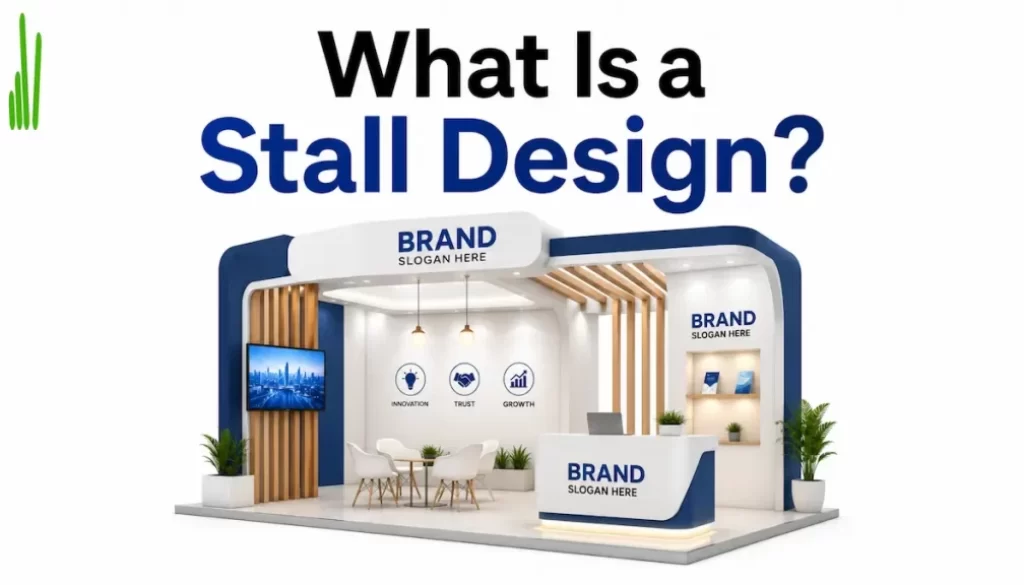
What Is a Stall Design?
Imagine walking into a large exhibition hall.
Hundreds of companies are displaying products. Every brand wants attention. Every exhibitor wants visitors to stop at their booth.
Yet somehow, certain stalls seem to attract people naturally.
Visitors pause.
They look around. Take photos. Ask questions. Stay longer.
What creates that difference?
In many cases, it starts with stall design.
A design is the strategic planning of an exhibition space to communicate a brand’s message, attract visitors, and create meaningful interactions during an event.
Contrary to popular belief, stall design isn’t simply about making a booth look attractive.
It’s about influencing how people see, feel, move, and interact within a space.
The best stall designs combine branding, psychology, layout planning, visitor experience, and business objectives into one cohesive environment.
Why Stall Design Matters More Than Ever
Exhibitions have changed dramatically over the last decade.
Visitors are exposed to more brands than ever before.
Their attention spans are shorter.
Competition is higher.
Most attendees decide within a few seconds whether a booth deserves their attention.
This means your stall often speaks before your sales team does.
A poorly planned stall can make even a great company appear average.
A thoughtfully designed stall can make a smaller company look established, innovative, and trustworthy.
The Real Purpose of Stall Design
Many exhibitors assume the purpose of design is decoration.
In reality, decoration is only a small part of the process.
Professional design exists to solve business challenges.
For example:
A startup may want to increase brand awareness.
A manufacturer may want to generate dealer inquiries.
A technology company may want to demonstrate new products.
An exporter may want to meet international buyers.
Each objective requires a completely different design approach.
Good stall designs aligns the physical space with the business goal.
Stall Design Is About Visitor Psychology
One of the most overlooked aspects of exhibition marketing is human behavior.
Visitors don’t enter a stall because it has expensive graphics.
They enter because something catches their attention or sparks curiosity.
Professional designers understand how visitors behave in exhibition environments.
They consider questions such as:
- Where will visitors look first?
- What will they notice from a distance?
- Which areas will attract attention?
- Where will conversations happen?
- What will encourage people to stay longer?
These decisions influence every part of the design.
The Five Elements of Effective Stall Designs
-
Visibility
If visitors don’t notice your stall, nothing else matters.
Designers focus on creating visibility through:
- Height
- Branding
- Lighting
- Open layouts
- Strategic graphics
The goal is to ensure the stall stands out in a crowded exhibition hall.
-
Brand Communication
A visitor should understand what your company does within a few seconds.
Strong stall designs communicates:
- Industry
- Products
- Services
- Brand values
- Competitive advantages
Without requiring lengthy explanations.
-
Visitor Flow
Great stalls guide visitors naturally.
Designers carefully consider:
- Entry points
- Product displays
- Meeting areas
- Exit paths
Poor visitor flow can create congestion and reduce engagement.
-
Interaction
Modern exhibitions are no longer about passive displays.
Visitors expect experiences.
This may include:
- Product demonstrations
- Interactive screens
- Sample displays
- Live presentations
Design should encourage participation.
-
Comfort
People stay longer in spaces where they feel comfortable.
Simple factors such as:
- Seating
- Lighting
- Layout
- Accessibility
can significantly impact visitor engagement.
Common Misconceptions About Stall Designs
Bigger Means Better
Not necessarily.
A smaller well-designed stall often outperforms a larger poorly planned one.
Design quality usually matters more than size.
More Graphics Equals More Attention
Many exhibitors overcrowd their booths with information.
Visitors rarely read everything.
Clear messaging often performs better than excessive content.
Design Is Only About Appearance
Professional stall design combines:
- Marketing
- Branding
- User experience
- Architecture
- Business strategy
Visual appearance is only one component.
How Good Stall Designs Supports Sales
Exhibitions are ultimately business opportunities.
Good stall designs supports sales teams by creating an environment where conversations happen naturally.
When visitors feel comfortable and interested, they are more likely to:
- Ask questions
- Request demonstrations
- Share contact information
- Schedule meetings
The stall becomes a lead-generation tool rather than simply a display area.
Trends Shaping Modern Stall Designs
The exhibition industry continues to evolve.
Current trends include:
Sustainable Design
Businesses increasingly prefer reusable and environmentally responsible exhibition solutions.
Interactive Experiences
Touchscreens, digital displays, and immersive experiences are becoming more common.
Open Concepts
Open layouts encourage visitor participation and improve accessibility.
Storytelling Spaces
Rather than simply displaying products, many brands use their stalls to tell a compelling story.
Why Businesses Invest in Professional Stall Designs
Exhibitions involve significant investment.
Costs often include:
- Space rental
- Travel
- Accommodation
- Marketing materials
- Staff
Given these expenses, businesses want to maximize results.
Professional stall designs helps improve the return on that investment by creating an environment that attracts, engages, and converts visitors.
How Peace Media Approaches Stall Design
At PeaceMedia, stall design begins with understanding the client’s objectives rather than simply creating a visually attractive booth.
Every project starts with questions such as:
- Who is the target audience?
- What message should visitors remember?
- What business outcome is expected?
From there, the design process focuses on creating exhibition spaces that support those goals.
With its headquarters in Mumbai and project execution capabilities across India’s major metro cities, Peace Media helps brands transform empty exhibition spaces into engaging brand experiences.
The emphasis is not just on how a stall looks, but on how effectively it performs during the event.
Frequently Asked Questions
What is stall designs?
Stall design is the strategic planning and visual development of an exhibition booth to attract visitors, communicate a brand message, and support business goals.
Why is stall design important?
It influences visitor attention, engagement, brand perception, and lead generation during exhibitions and trade shows.
Is stall design different from stall fabrication?
Yes. Design focuses on planning and concept development, while fabrication focuses on physically building the stall.
How does stall design attract visitors?
Through effective branding, layout planning, lighting, visibility, and visitor experience strategies.
What makes a good stall designs?
A good stall design balances visibility, branding, functionality, visitor flow, and engagement opportunities.
Final Thoughts
A successful exhibition is rarely the result of luck.
Behind every busy booth is usually a carefully considered design strategy that understands both the brand and the visitor.
Stall design is not simply about creating something visually appealing. It is about creating an environment that communicates, engages, and converts.
When executed correctly, a well-designed stall becomes one of the most powerful marketing assets a business can bring to an exhibition.
And in today’s competitive exhibition landscape, that advantage can make all the difference.